The Rise of Collectible Cards
1860’s
Before blind boxes and capsule toys, collecting began in the form of card. Back in the 1860s, tobacco companies were one of the first ones to stiffening cards into their cigarette packs, which then led to printing images on them to make them collectible. These included famous movie stars, military leaders, national flags, or anything that may capture the public’s interest.
The cards were often released in themed sets which encouraged consumers to seek out different designs and complete their collections. From here on, this established a concept that would help define for the desire of mystery collectibles. It was the desire to find the next item and complete the set.
Sports Cards Boom
1880’s-1900’s
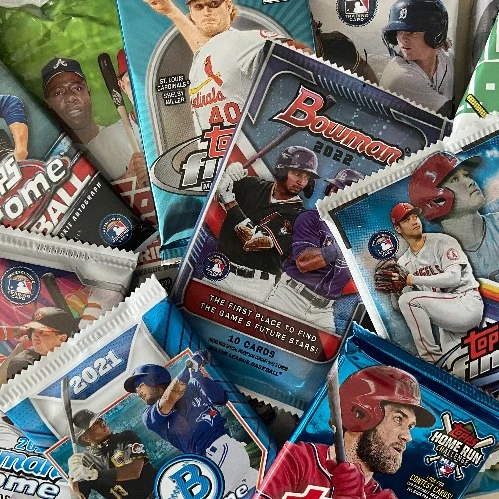
One of the earliest and most influential forms of collectible cards were sports cards, especially baseball cards. Baseball cards became especially popular in the United States during the 1880s, when these tobacco companies began featuring professional baseball players on cards that were included within their products.
Looking back, these cards had become more than just advertisements but were pieces of sports history and were collectibles for various fans of the sport.
The Birth of Gachapon
1965
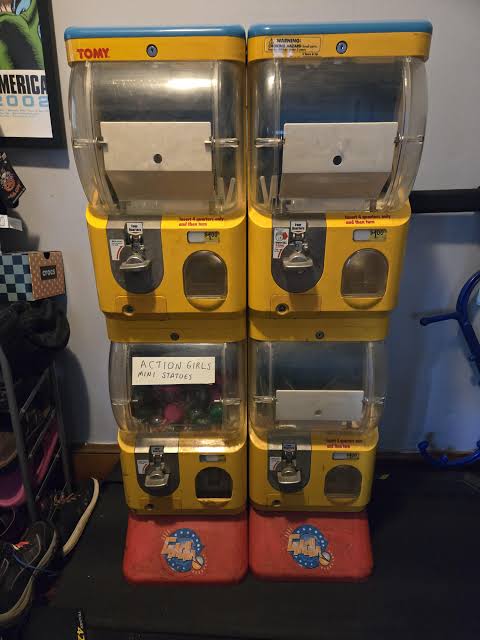
After Japanese entrepreneur Ryuzo Shigeta received an American vending machine that randomly dispensed cheap candy, he had an idea. He wanted to put each prize inside its own plastic capsule, which to him was a cleaner way to distribute prizes. His first machine appeared outside his shop in Tokyo’s Taito Ward, which laid the foundation for the gachapon culture we know today.
The name gachapon comes from it being an onomatopoeia coming from two Japanese words.”Gacha” is the sound when you turn the vending machine crank and “pon”is the sound of the toy capsule dropping into the collection tray.
The idea of transforming a simple vending-machine purchase into a game of chance to gain toys and collectibles became the foundation of the gashapon experience that is familiar to collectors today.
Enter: Bandai Gashapon®
1977
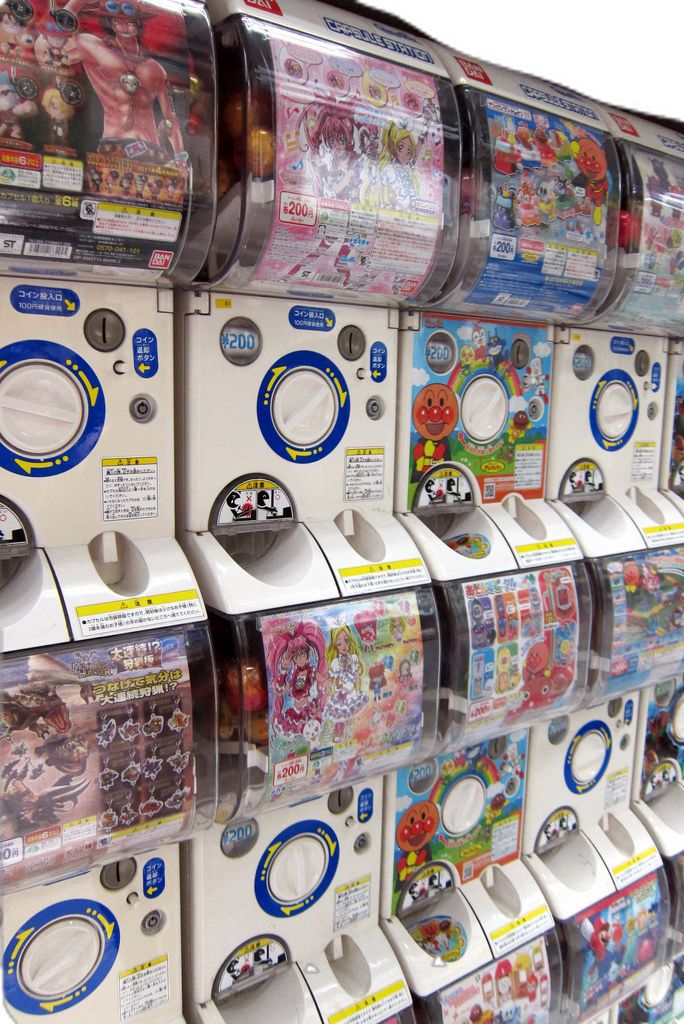
In 1977, Bandai entered Japan’s capsule-toy market by also selling capsule toys through vending machines. What made their gachapons different was they transformed the format by offering higher priced and higher quality products while connecting them with popular characters and franchises. They were sold under the trademarked name Gashapon® and became strongly associated with Japanese pop culture.

Fukubukuro
1980’s
Fukubukuro (“lucky bag”) is the earliest form of purchasing blind items and could be bought in department stores such as Matsuya. This is a popular business strategy for managing inventories and even promoting new products.
The Rebirth of Collectible Cards: Trading Card Games (TCGs)
1990’s
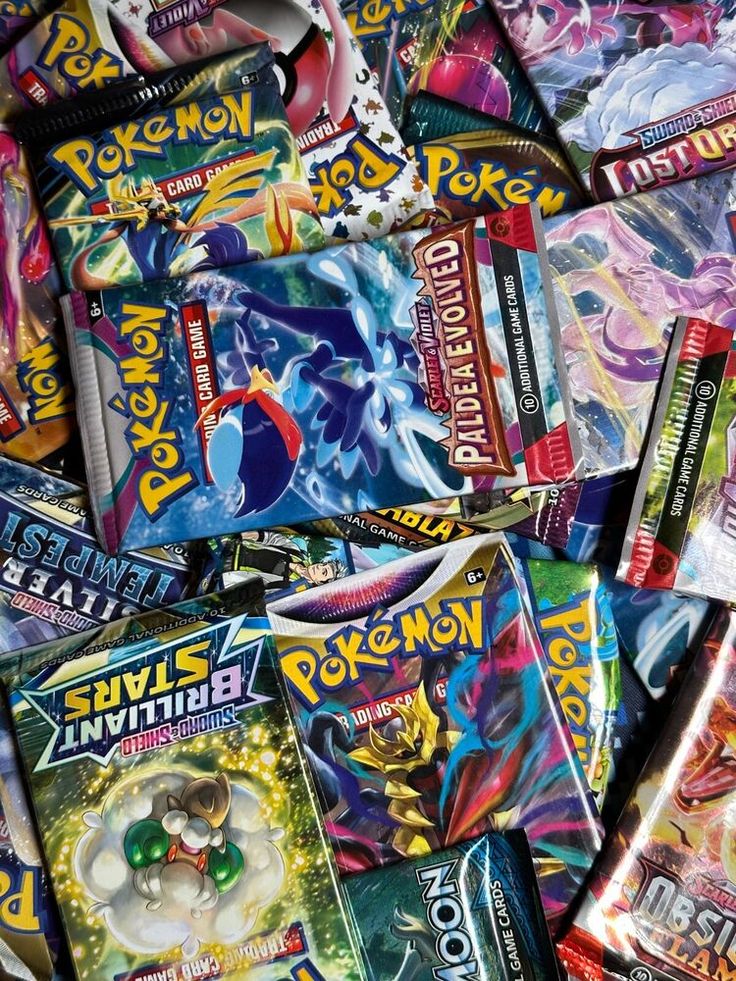
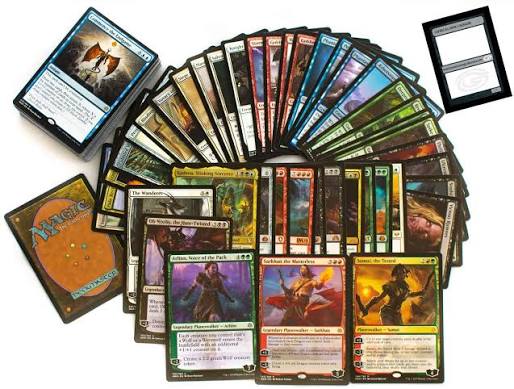
In 1993, Magic: The Gathering was released as the world’s first trading card game. Unlike earlier collectible cards, Magic combined collecting wtih strategy and gameplay, allowing players to build decks and compete against each other. Its randomized booster packs added the mystery in it. Players could purchase a pack of cards without knowing exactly which cards they receive.
This created a new kind of collector, not just someone completing a set. This new kind of collector would hunt for powerful rare, or valuable card.
The Birth of Modern Blind Boxes
2000’s
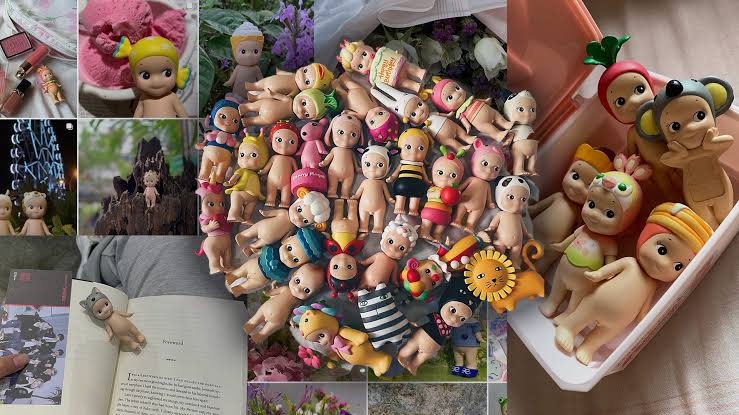
Building on the ideas of Fukubukuro and gachapons, the next major shift came when the mystery was no longer hidden just inside a vending machine capsule. It was now hidden inside a box. In 2004, Kidrobot’s Dunny mini-series introduced the blind-box concept to its designer collectibles. Buyers knew that the series of figures they could receive but now which specific design inside the box. A following series in 2005 added rare “chase” figures which made the hunt even more competitive.
POP MART
2016’s
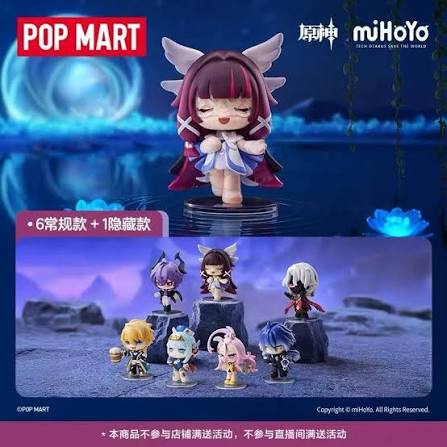
The blind box format began a new era with the rise of POP MART, which was founded in Beijing in 2010. A company that was initially a lifestyle retailer, they began shifiting their focus towards designer toys.
In 2016, POP MART launched its Molly series, the first original pop-toy product line. The success of Molly helped establish POP MART as a major force in the blind box market. As the company’s approach was artist-designed characters with randomized packaging of these items, rarity, and collecting, it became more than just a toy or a figurine. Blind boxes became a part of a wider designer toy and fandom culture.
Today, POP MART’s portfolio includes IPs such as MOLLY, SKULLPANDA, DIMOO, HIRONO, and THE MONSTERS, the latter being home to the globally popular Labubu.
The Current Scene of Mystery Collectibles
Today, mystery collectibles have grown from simple capsule toys and trading cards into a global collecting culture. Gachapon, blind boxes, TCG booster packs, mystery plushies, and collectible figures now appeal to both casual fans and dedicated collectors, with social media and unboxing content making the excitement of the “reveal” more shareable than ever. As brands continue collaborating with artists, anime franchises, games, and pop-culture icons, the future of mystery collectibles is likely to become even more diverse and interactive. Beyond simply collecting physical items, upcoming trends may blend collectibles with digital experiences, limited-edition releases, personalization, and online collector communities, keeping the thrill of discovery at the heart of the hobby. Here at Unboxed, we’re bringing all parts of said thrill and excitement to you!